
Building Connections Beyond the Street
What were once service corridors are now some of downtown’s most recognizable public spaces. The DDA’s enhanced alley network connects people, businesses, and neighborhoods through thoughtful design and long-term investment.
Why Our Downtown Alleys Matter
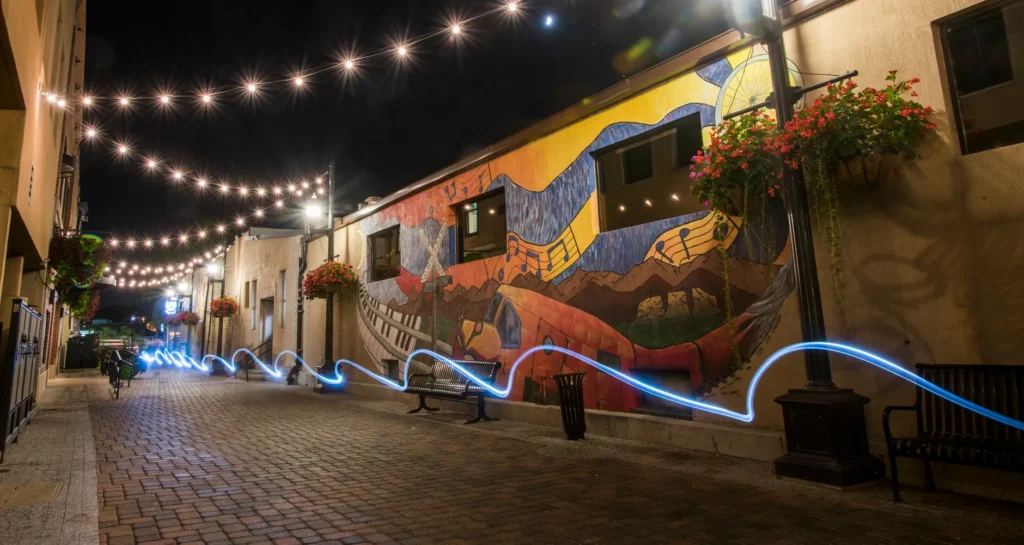
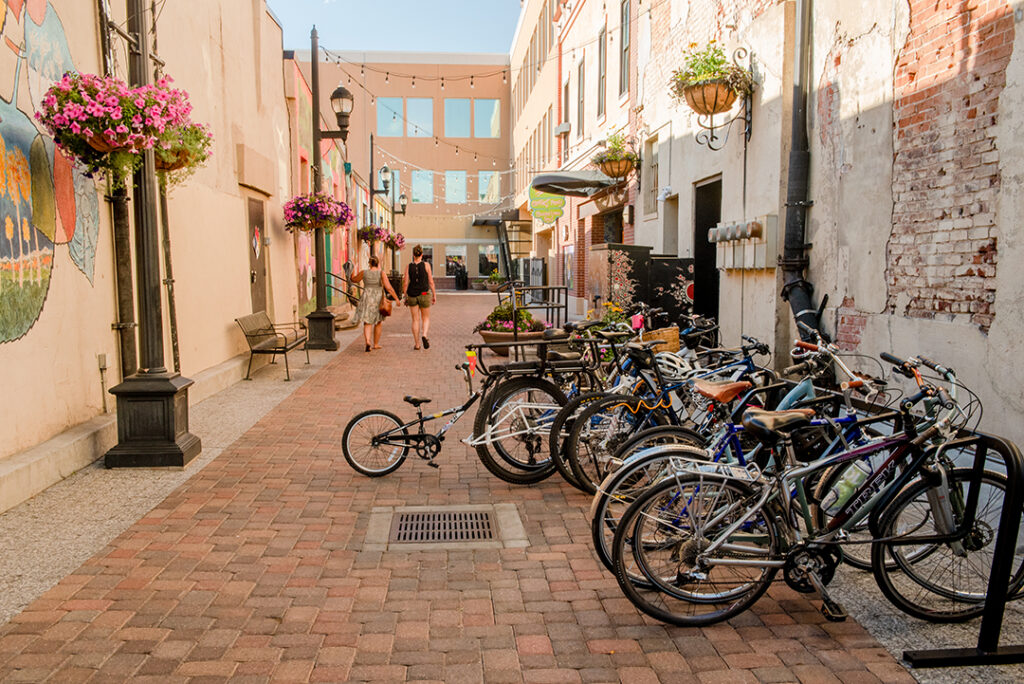
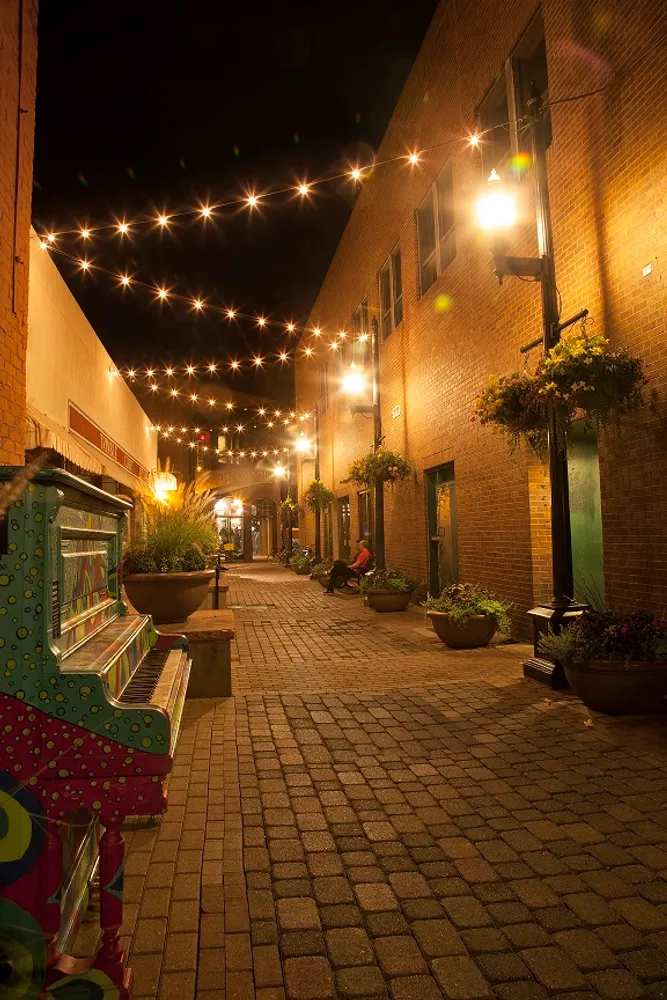
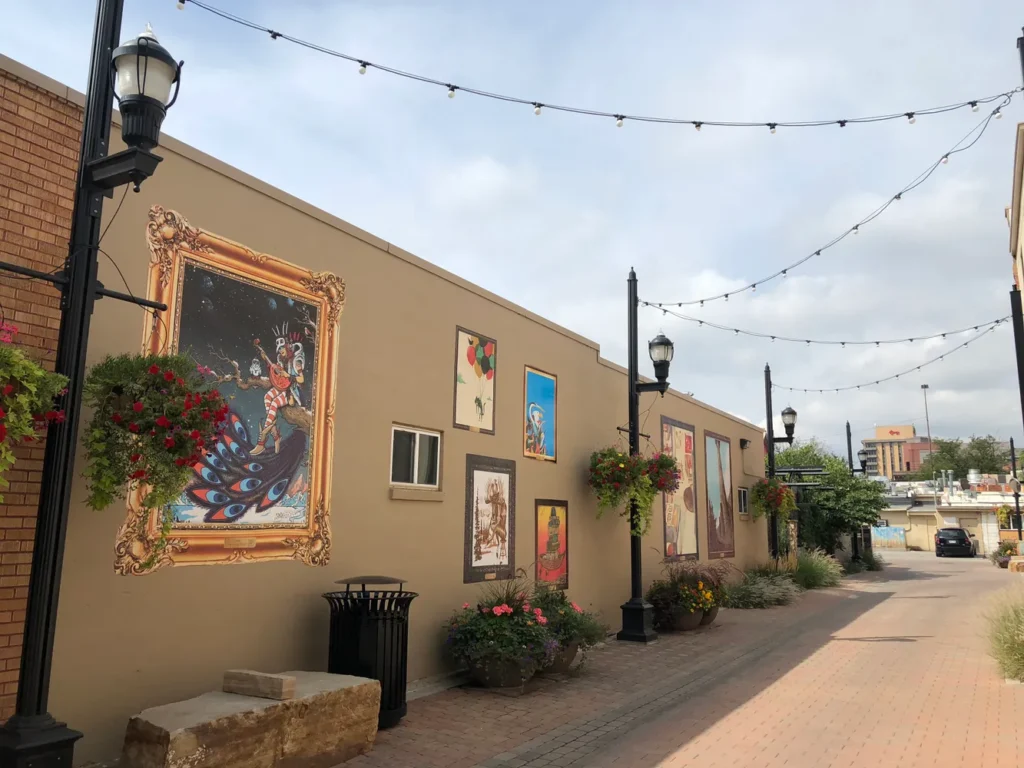
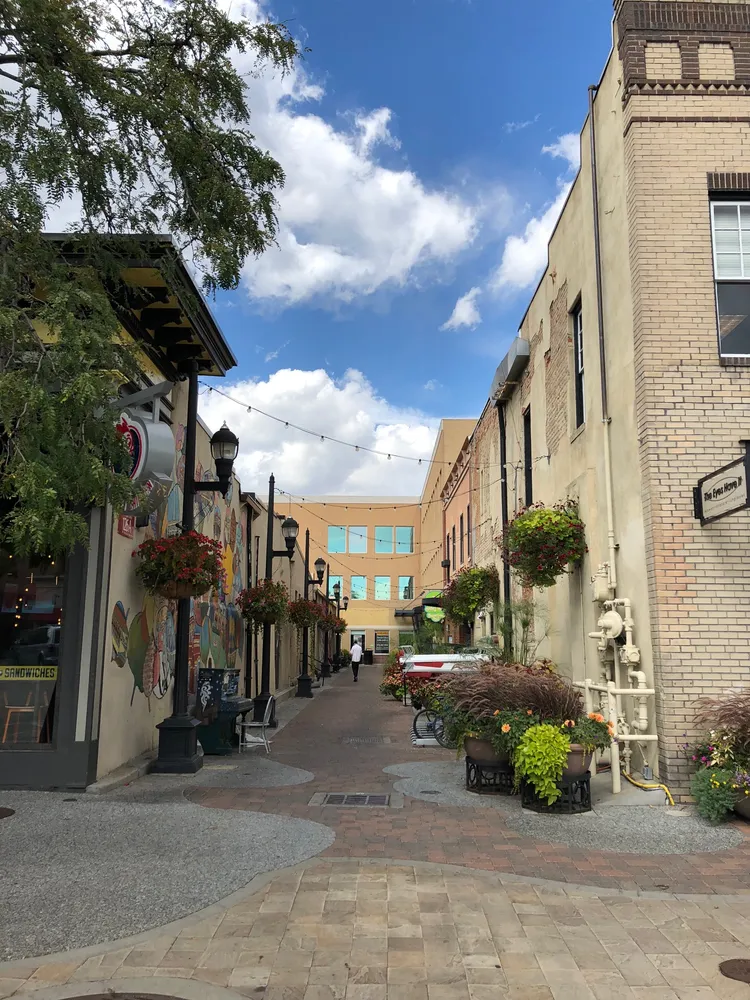
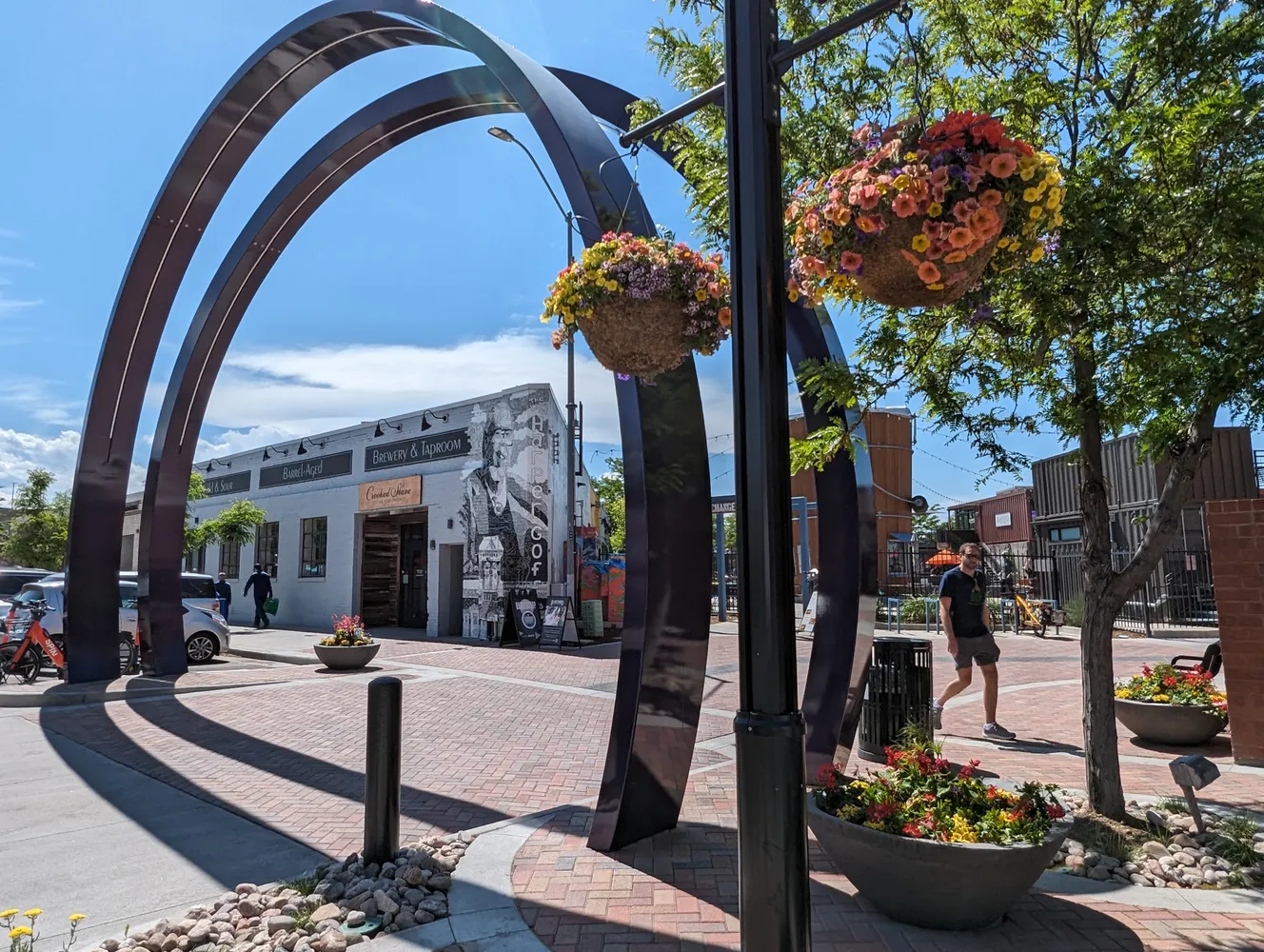
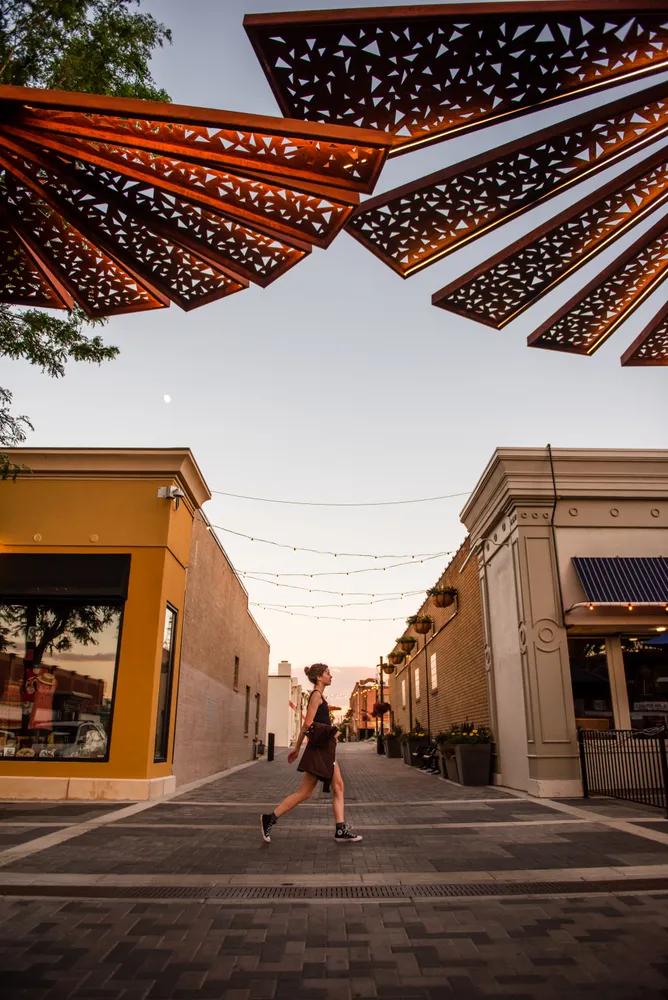
Downtown Fort Collins has one of the most distinctive alley systems of any small city in the country. That didn’t happen by accident. Since 2006, the DDA has led the design, construction, and ongoing maintenance of a network of enhanced pedestrian alleyways — turning what were functional service corridors into some of the most photographed and visited spaces in the district.
The DDA has paid nearly 100% of design and construction costs for each enhanced alley. When the work is done, the DDA takes on ongoing maintenance responsibility. These aren’t one-time capital projects. They’re a permanent part of what the DDA manages.

Where Function Meets Place
The concept of enhancing downtown’s alleyways began with the DDA’s original 1981 Plan of Development, which identified the downtown alley system as an untapped opportunity for improved pedestrian connections, drainage, and public activation. For decades, most of those alleys were standard, functional asphalt used for deliveries and business service entrances, but forgettable to everyone else.
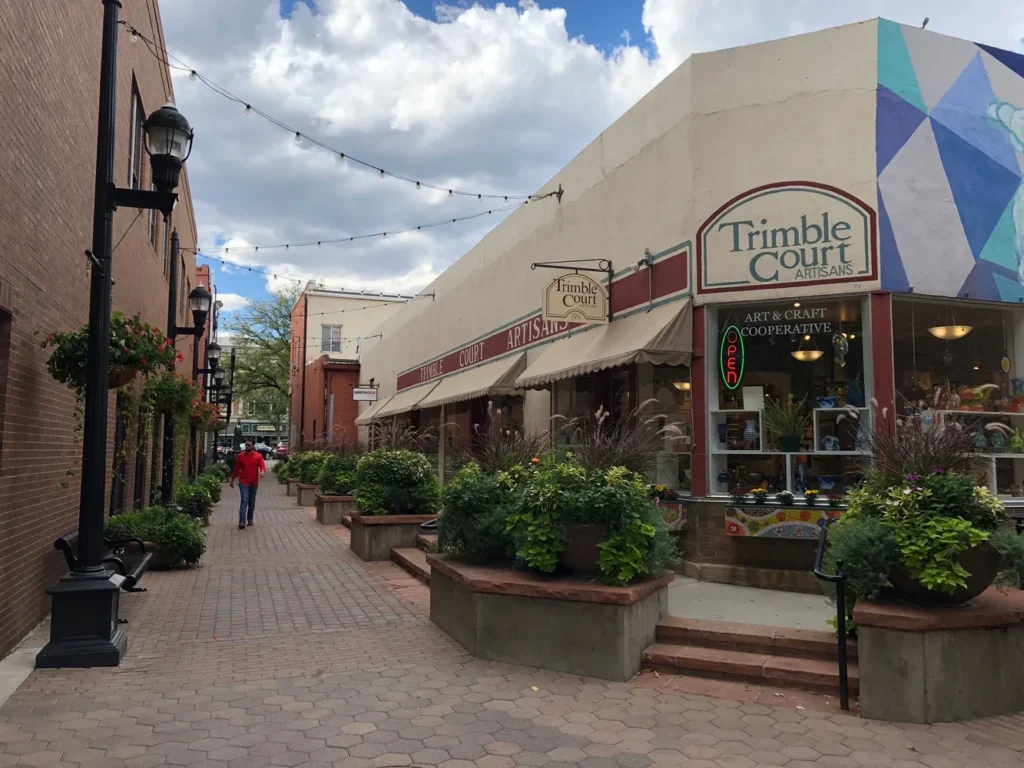
In 2004, the City’s Downtown Strategic Plan formalized what the DDA had long recognized: alleys could be more. In 2006, Trimble Court and Tenney Court became the first two alleys to be enhanced. In 2008, the DDA engaged local design firm Russell+Mills Studios to produce a master plan covering alleys across 17 square blocks from CSU through downtown to the River District.
What the Downtown Alley Enhancements Actually Do
Every enhanced alley is designed with the same underlying goals: better lighting, better walkable surfaces, better safety, and a distinct character that makes the space worth seeking out rather than passing through quickly.
Among the many enhancements, lighting has one of the most noticeable impacts. The DDA designs lighting to evenly cover spaces and provide enough light so that walking through at night feels safe and comfortable.
Downtown employees, especially those working late in restaurants and bars, have consistently told the DDA that alley improvements make them feel safer and improve their experience getting to their cars after a late shift.
Fort Collins Police Services has noted that the number of police contacts in enhanced alleys drops in the months and years following the DDA’s alley renovations.
Building the Network,
One Alley at a Time
What’s Next?
Design and planning are underway for East Olive Street Alley and Whitten Court Alley. When complete, these additions will bring the total enhanced public space in the downtown alley network to approximately 208,000 square feet. These alleys are expected to be completed in 2027.
Starting in 2027, updates on design progress and construction timelines will be shared through the DDA’s monthly alley update newsletter.
Explore Downtown’s Enhanced Alleys
The downtownfortcollins.com site has a full interactive map of every completed alley with photos, location details, and nearby businesses. If you’re downtown, the alleys are easy to find; they connect the blocks between College Avenue, Mason Street, Linden Street, and the east–west streets from La Porte to Magnolia.